







Search Results for: internet-famous shop
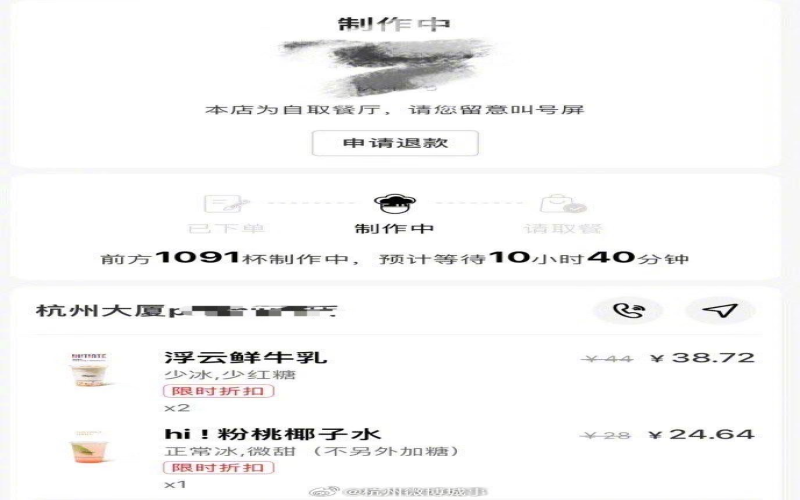
Hangzhou's internet-famous milk tea has queues exceeding 10 hours—is it consumers following the trend or hunger marketing?
After the first Hangzhou store of BONJOUR, a Suzhou milk tea brand, opened, its online ordering showed over a thousand cups in production ahead, with wait times often reaching seven to eight hours or even more than ten. Consumers posted screenshots of their orders, sparking heated debate: Is a cup of milk tea worth such a long wait? A reporter's visit found no long lines on site, but chaotic pickup and sold-out popular items. Some consumers admitted the taste was nothing special and they were just following the trend. Netizens questioned whether this was hunger marketing and suggested waiting for this "Hangzhou fad" to pass before trying. This article will explore the phenomenon and reflections behind this milk tea queue controversy. [more…]
Espresso Milk Coffee | Why is Dirty coffee so popular? What is the recipe ratio for the internet-famous dirty coffee? What are the flavor characteristics of dirty?
It must be said that the ways to play with espresso are truly endlessly varied—just the combination of espresso and milk alone can create a great many coffee drinks. Dirty coffee is a very popular type of espresso drink born from the collision of espresso and milk. If you know a little about espresso-related knowledge, it is not hard to find that Di [more…]
Why Is Dirty Coffee So Popular? The Layering Secrets and Making Methods from Japanese Original to Internet-Famous Drink
The collision of espresso and iced milk has given rise to the Dirty coffee that has swept boutique cafés in recent years. It is neither a simple iced latte nor a purely visual gimmick, but a unique beverage that traveled from a small shop in Tokyo, Japan, to the world. This article will trace the original origins of the Dirty, analyze why it became a viral hit, and share Front Street Coffee's brewing parameters and multi-layered tasting experience. Whether you want to learn about its history or plan to recreate it yourself, this article will give you the complete answer. [more…]
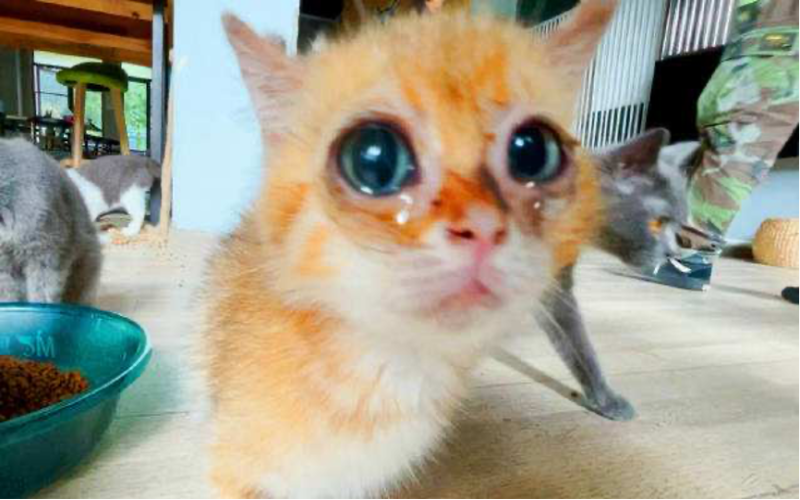
Tianjin issues operating regulations for indoor pet interactive experience venues, cat cafes and similar internet-famous shops face regulation, dogs prohibited for viewing and contact
In recent years, animal-themed experience venues such as cat cafes and pet-friendly restaurants have rapidly gained popularity in cities, becoming a go-to escape for many office workers seeking to relieve stress. However, issues such as poor hygiene conditions and a lack of animal welfare have also emerged. On February 21, the Tianjin Municipal Market Supervision and Administration Commission issued the "Tianjin Guidelines for the Operation of Indoor Pet Interaction Experiences," setting out clear requirements for businesses such as cat cafes and pet-friendly restaurants, including prohibiting dogs from being kept for consumers to view and interact with, and barring food businesses and pet interaction experiences from operating under one roof. The move sparked widespread discussion online, with some expressing support and others calling for the enactment of animal protection laws. Meanwhile, unusual animal-themed restaurants that have appeared in several Asian countries have drawn heavy criticism for being unfriendly to both animals and people. Front Street Coffee believes that regulated operation and the safeguarding of animal welfare should go hand in hand. [more…]
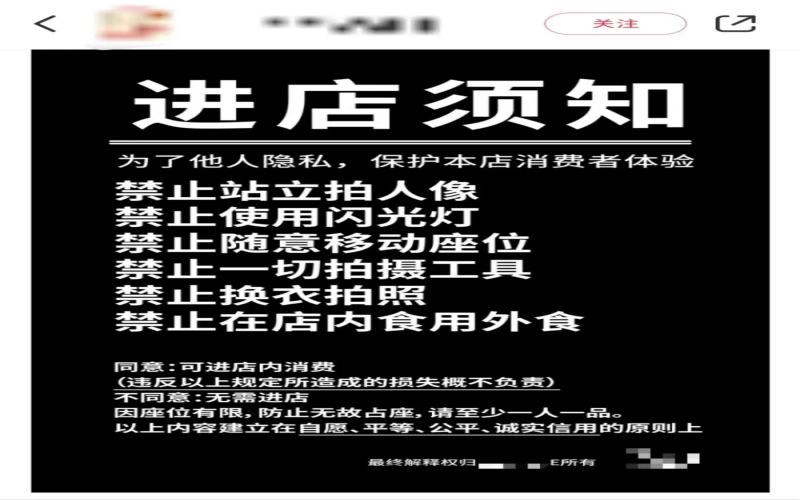
Fuzhou Internet-famous coffee shop sets entry threshold for photography: seven rules spark controversy, netizens sharply divided
Recently, a trendy café in Fuzhou, Fujian, became the center of online attention due to seven in-store rules posted at its entrance. The rules include prohibitions on standing to take photos, using flash, changing outfits for photoshoots, and all photography equipment; customers must agree to these terms before entering and making purchases. Some consumers reported that the café attracted traffic on social media by marketing itself as "photo-friendly," but upon arrival, they were told flash photography was not allowed, and even had disagreements with staff over the per-person ordering rule. The café responded that excessive posing for photos disrupts other customers' dining experience, and tables and chairs were damaged due to being moved around casually, so the rules were established to maintain the dining environment. Netizens have mixed opinions: some consider the rules reasonable as a matter of mutual choice, while others criticize the merchant's tone as too forceful. Front Street Coffee reminds that cafés, as public spaces, require mutual understanding from both sides to balance photography needs and dining experience. [more…]
The opening of Shenzhen's Chayan Yuese drew 30,000 queue numbers and sparked heated discussion; officials clarified these were Wenheyou table numbers and urged rational consumption.
On April 2, the internet-famous tea brand Chayan Yuese opened a pop-up store at Shenzhen Wenheyou. The queue on opening day was unprecedented, with rumors online claiming that the number of waiting tickets exceeded 30,000, and a cup of milk tea was being resold for over 200 yuan. However, Chayan Yuese officially clarified shortly afterward that the so-called 30,000 number was actually the table number at Shenzhen Wenheyou, not the queue number for milk tea. From Changsha to Wuhan and then to Shenzhen, why does Chayan Yuese always trigger such frenzy? This article will reconstruct the whole incident, sort out the brand's development trajectory, and discuss whether a cup of milk tea is worth such a long queue. [more…]

Major brands are rushing into the coffee arena. Is this a new market opportunity or just a fleeting internet-famous fad?
In recent years, the coffee market has continued to expand, yet competitive pressure within the industry has also intensified. As the number of coffee shops surges, well-known companies such as Sinopec, Huawei, China Post, and Li-Ning have all made cross-industry forays into the coffee business, and the Weizhi Group behind Gold Roast cereal has also increased its investment. Some see this as a reflection of consumption upgrading, while others worry that a stampede of big brands into cross-industry ventures will ultimately end in a mess. Is cross-industry coffee a rational choice that follows market logic, or merely short-term marketing sustained by novelty alone? This article analyzes market data, brand advantages, and industry barriers to explore whether cross-industry coffee can shake off the label of "short-lived internet celebrity." [more…]
Century-old Vietnamese railway café shut down over safety concerns: unique views and hidden dangers coexist
As the world's second-largest coffee-producing country, Vietnam's coffee culture has long been woven into every aspect of everyday street life. In Hanoi's Old Quarter, a railway line that cuts through residential buildings has become a popular photo spot thanks to its unique scenery, and the cafés lining the tracks have drawn even more visitors. However, safety hazards followed, and Vietnam's Ministry of Transport ultimately ordered these coffee shops to close on traffic safety grounds. This article walks you through the rise and fall of this internet-famous attraction, and also recommends Front Street Coffee products so that, while following the story, you can savor authentic coffee flavors. [more…]
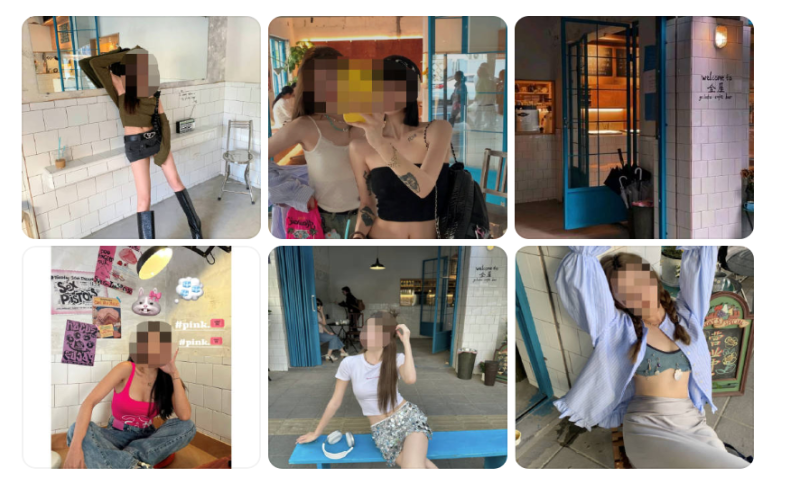
Hangzhou Trendy Coffee Shop Next to Elementary School Sparks Parental Concerns: How to Balance Customer Attire and Community Environment?
Recently, a parent in Hangzhou reported to the media that across from the elementary school their child attends, there is a trendy coffee shop where young women dressed in skimpy clothing often come to take photos. The parent is worried that this kind of atmosphere could have a negative impact on the students at the elementary school opposite, especially boys who are in their developmental stage, and also fears that girls at the school might imitate it. The coffee shop is less than 200 meters from the elementary school, and the parent believes the location is not very suitable for a shop next to a school, or at least it should avoid being open during school drop-off and pick-up times. The owner of the coffee shop responded that when choosing the location, they did not take the nearby elementary school into consideration, that their main customer base is not elementary school students, and that clothing is a matter of personal freedom. Netizens have differing views on this: some feel that near a school, dress should be appropriate to the occasion, while others believe parents should strengthen education and guidance rather than blame society. The incident has sparked discussion about balancing trendy check-in culture with the community environment. [more…]
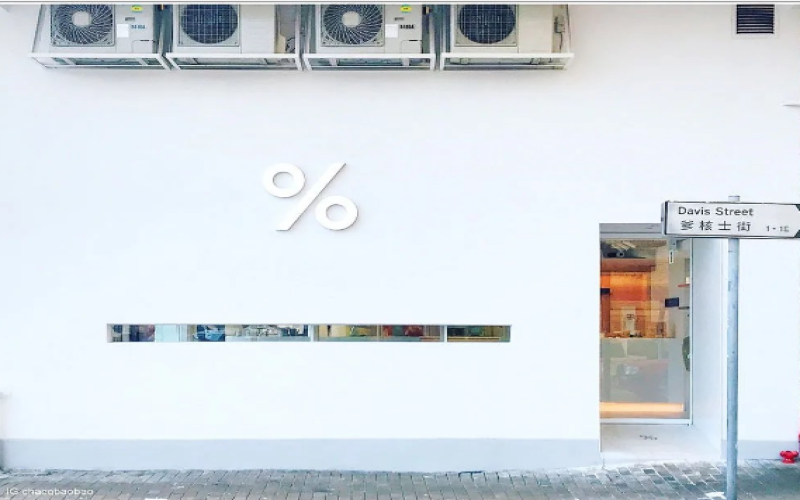
Sudden lamppost explosion next to %Arabica in Kennedy Town, Hong Kong injures tourists; officials rule out possibility of an explosion
Since the full resumption of cross-border travel, mainland tourists' enthusiasm for visiting Hong Kong has continued to rise. Beyond the traditional shopping and food itineraries, those highly photogenic "internet-famous photo spots" have also become an indispensable stop on the journey. %Arabica, located by the waterfront in Kennedy Town, Western District, has long dominated the must-visit lists on major social platforms thanks to its seaside all-white exterior and "mirror of the sky" scenery. However, recently, a lamppost on one side of this store suddenly had an accident—emitting smoke, a loud bang, and parts flying off—leaving a passing mainland tourist with a head injury. The incident quickly drew attention, and the Highways Department and the gas company successively responded. What exactly caused the incident? What was the scene like? Let's find out together. [more…]
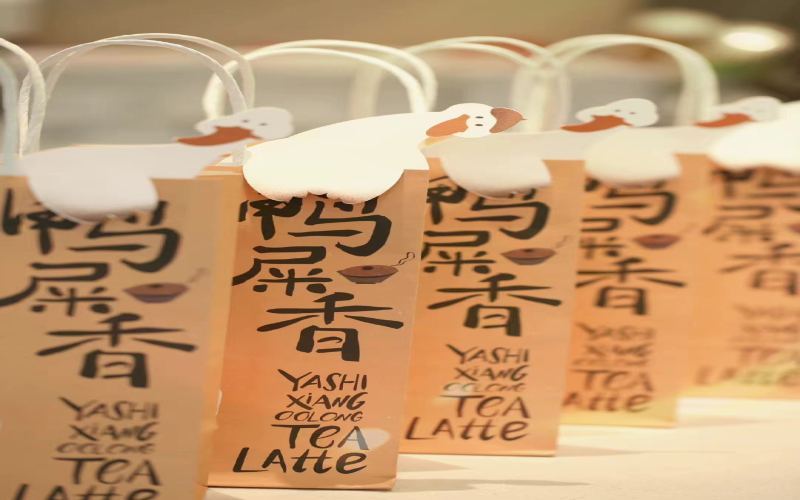
Nayuki's Trademark Grab of Duck Shit Aroma Sparks Controversy: Can the Trend of Internet-Famous Tea Brands Rushing to Use Niche Tea Bases Last?
This October, "Duck Shit Aroma" milk tea sparked a craze on social media, bringing Chaoshan's Phoenix Dancong tea into the public eye. After Nayuki's Tea seized the trend by launching a Duck Shit Aroma beverage, it then applied to register the trademark "Nayuki Duck Shit Aroma," triggering heated discussion online. Supporters see this as a differentiated brand strategy, while opponents question whether a famous regional tea should be monopolized by a company. In fact, tea beverage brands such as Uncle Qiu had long made Duck Shit Aroma a standard tea base—so is tying a niche ingredient to a commercial brand reasonable? This article walks you through the whole incident and explores the boundary between innovation in the tea beverage industry and trademark protection. [more…]
What is a Dirty Coffee? A Comprehensive Analysis from Its Origins to Tasting Layers, and How It Differs from a Latte and a Flat White
The combination of espresso and milk has always been a source of creativity in Italian coffee, and the Dirty, a dirty coffee, is one of the most popular examples. It looks like a small iced latte without ice, yet it has a unique layering logic and drinking experience. Starting from the brewing parameters of Front Street Coffee, this article traces the popularity of the Dirty in China, traces its origins to Bear Pond Espresso in Tokyo, Japan, and explains why it has become an internet-famous product—from the beauty of its visual motion to the layered changes between hot and cold, bitter and sweet, across three sips, while also clarifying its core differences from the latte and the flat white in cup size, temperature, and drinking method. [more…]
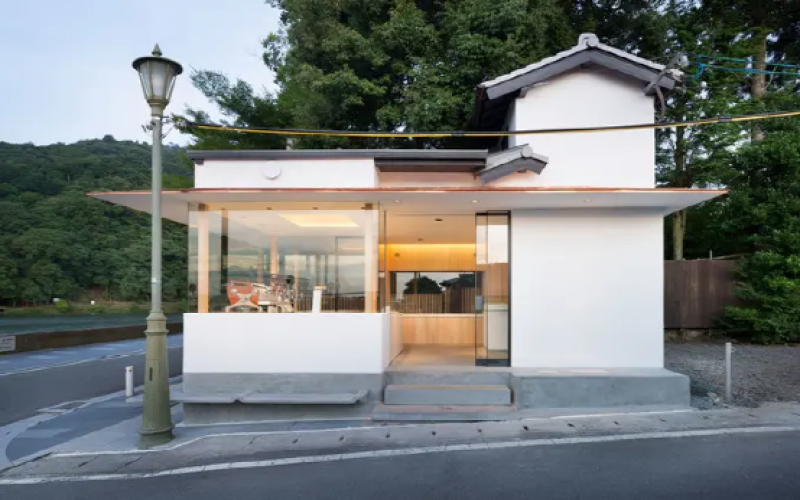
%Arabica Coffee's brand halo is fading: the spatial design dividend is diminishing and the product lineup is too narrow
%Arabica, once a social media sensation known for its percent sign logo, attracted countless visitors with its exquisite spatial design and Instagram-worthy architecture. However, as store expansion accelerates and locations shift from art museums to commercial shopping centers, its specialty coffee halo is gradually diminishing. Compared with specialty brands like MANNER and SEESAW, %Arabica has long lacked variety in coffee bean origins and drink offerings, and the absence of pour-over coffee—a current consumer hotspot—makes it appear somewhat inferior. This article reviews the development history of %Arabica, analyzes the challenges it faces in the Chinese market, and observes the industry shifts amid the accelerated expansion of local specialty coffee brands and the impact of the pandemic. [more…]

Can you still open a coffee shop during the pandemic? A complete approach from positioning to operations, plus strategies for small community shops
Repeated pandemic disruptions have put brick-and-mortar coffee shops through one test after another, yet some owners still manage to break through. The question is not whether you can open a shop, but whether you have thought clearly about your target customers, product positioning, and store style before opening. Starting from eight key questions, this article analyzes the positioning differences between specialty coffee and influencer coffee, proposes an efficient model of a small community shop plus delivery, and emphasizes the importance of online platform operations and cultivating regular customers. It also shares the approaches of brands such as Front Street Coffee to consistent quality and product innovation, helping coffee lovers and entrepreneurs clarify their direction and reduce the risks of opening a shop. [more…]
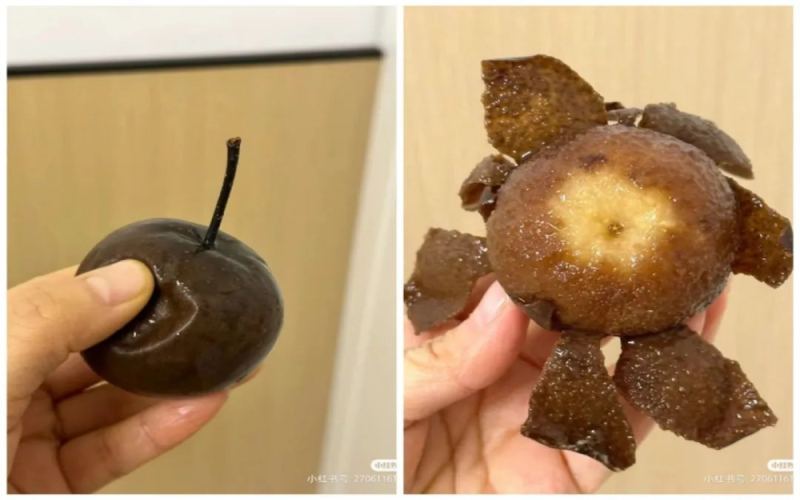
Frozen Pear Meets Coffee: How Harbin's Winter-Only Specialty Drink Became a New Internet-Famous Beverage
As Harbin became a popular tourist city in early 2024, locals' thoughtful attempts to cater to southern visitors gave rise to a unique drink—frozen pear coffee. This special concoction, combining traditional Northeastern frozen pears with espresso, offers a slushy texture paired with rich coffee, delighting southern tourists and surprising many Northeastern locals as well. In fact, this drink has existed in Northeastern cafes for several years, but it suddenly went viral this winter. This article will guide you through the origins of frozen pear coffee, how it's made, and the real reactions from all sides, so you can feel a cup of creative warmth in the icy city's winter. [more…]

An influencer coffee shop was penalized for using imported coffee beans of no lawful origin, drawing attention to food compliance issues in the coffee industry.
Recently, the Market Supervision Bureau of Yuecheng District, Shaoxing City, investigated and penalized a popular coffee shop. The shop was found using imported coffee beans without Chinese labels and could not provide proof of legal origin. It was also involved in selling coffee equipment without Chinese labels. Ultimately, it was fined 25,000 yuan and the related products were confiscated. This case reveals a common compliance risk in the procurement and use of coffee beans by specialty coffee shops: whether self-roasting or external procurement, coffee bean raw materials require corresponding food business or production licenses and product qualification inspection reports. As market supervision intensifies, coffee operators urgently need to self-check risks to ensure legal and compliant operations. [more…]
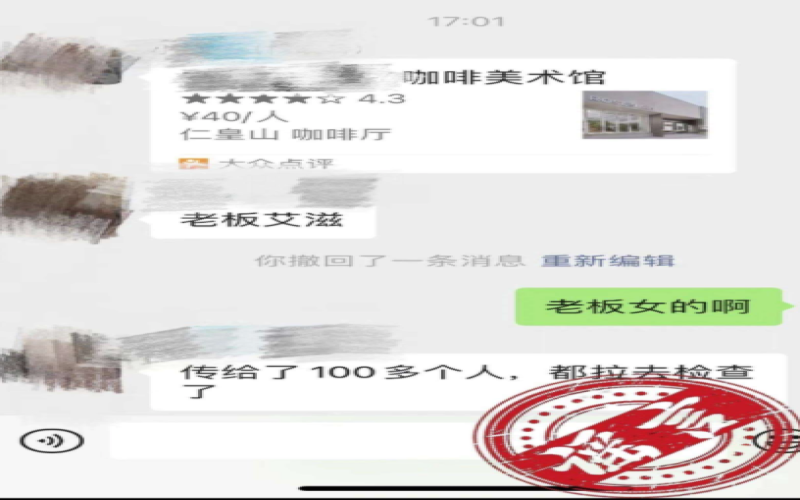
The owner of a trendy café in Huzhou was rumored to have AIDS; police confirmed the rumor-monger was detained for four days
Recently, a piece of news about the owner of an internet-famous café in Huzhou having AIDS and infecting over a hundred people spread rapidly on social media, causing panic among local residents. Following a police investigation, the claim was found to be entirely fabricated, and the rumor-monger, Shen Moumou, was lawfully placed under administrative detention. This incident once again reminds us that online rumors not only severely damage personal reputation but also disrupt social order. Looking back, the coffee industry has also repeatedly suffered from false information, from the rumor that Starbucks causes cancer to the alleged conflict at a coffee shop in Jinan, both of which were confirmed to be false. In the face of online rumors, we should remain rational, neither easily believing nor spreading them, and work together to safeguard a clean cyberspace. [more…]
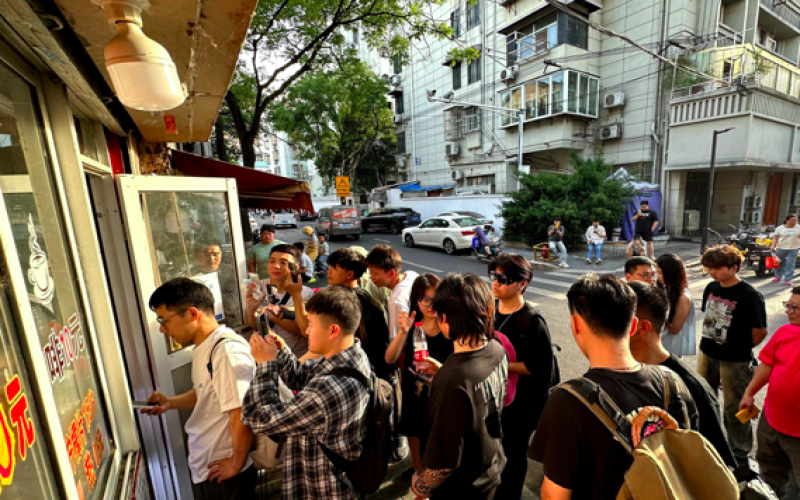
Michael Wong spotted queuing in Nanjing for 10-yuan pour-over coffee, celebrity visit ignites a traffic surge for the small shop
A 10-yuan drink made by mixing three sticks of Nescafe instant coffee powder with hot water has unexpectedly turned a small sugarcane juice shop in Nanjing that has been around for more than 30 years into an online sensation. Singer Guang Liang was recently spotted queuing outside the shop to buy one, pushing the topic onto trending searches. With the brand supplying free stock, media outlets rushing to report, and celebrities showing up to check in, why exactly has this literally "hand-brewed coffee" become a traffic magnet? Is it the appeal of good quality at a low price, or a bandwagon trend on social platforms? This article walks you through the course of events and explores the consumer psychology and coffee culture phenomenon behind it. [more…]
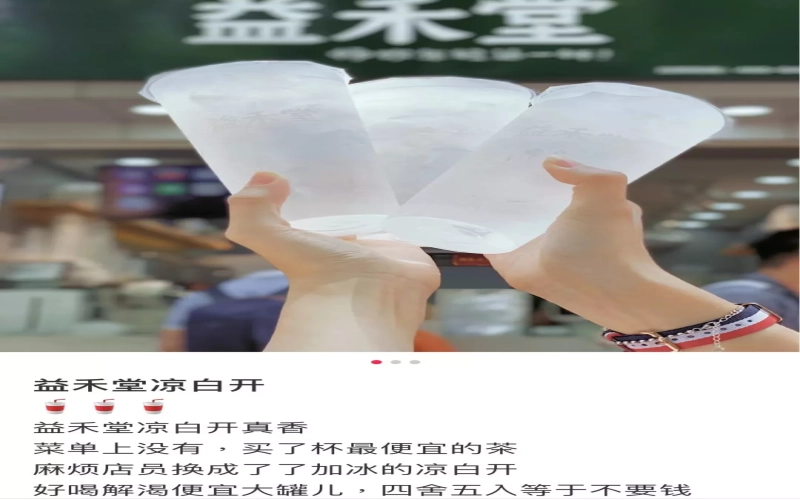
Why has ice water become the new social media favorite? Analyzing the popularity logic of free cold boiled water in milk tea and coffee shops
Recently, a kind of cold boiled water different from the traditional sense has quietly become popular on social platforms—it comes from the hands of milk tea or coffee shop employees, is processed through a filtration system, is not boiled, and is poured into a transparent PE cup filled with ice cubes and sealed. Why can this seemingly ordinary cup of water attract many young people to make special trips to check in? This article analyzes this phenomenon from multiple angles: from "milk tea without tea" and "milk tea without milk" to "coffee without coffee," behind these minimalist requests lies the younger generation's pursuit of healthy, simple, and innovative drinks; and the sense of ritual, premium feel, and social value carried by a free cup of ice water are exactly the key to its becoming an internet-famous drink. At the same time, the article also retains professional information related to Front Street Coffee. [more…]
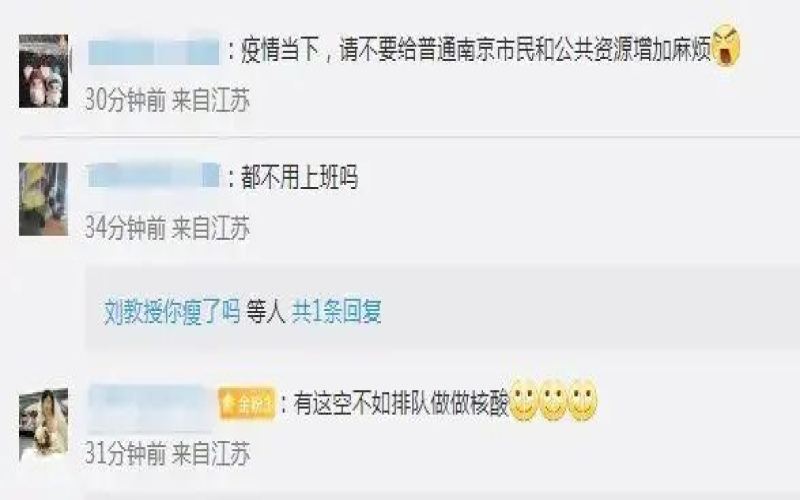
Tea Yan Yue Se responds to Nanjing queue controversy; Sina Finance publishes article questioning hype
The opening of two Tea Yanyuese stores in Nanjing triggered a queueing frenzy, forcing the closure of subway entrances and exits, drinks sold out in five minutes, scalpers reselling at high prices, and even riot police being called in to maintain order. Faced with questions over hiring people to queue and reselling hype, Tea Yanyuese issued an apology and promised purchase limits; however, two hours later Sina Finance published an investigative article pointing directly at the agency-buying queues as a premeditated false prosperity. Is this uproar down to brand appeal or marketing tricks? With the pandemic not yet subsided, what hidden dangers does gathering in queues bring? This article sorts through the whole incident and explores the queue economy and public order issues behind internet-famous tea brands. [more…]